You Can’t RFP Your Way to Innovation
Public-sector and publicly funded institutions talk about innovation constantly. Digital transformation, AI, productivity, modernization.
But I keep running into a contradiction.
A huge amount of applied innovation happens inside private companies, particularly technology companies. Yet many public-sector organizations make it incredibly difficult for those companies to bring them an idea they haven’t already asked for.
And that’s the problem. You can’t RFP your way to innovation.
RFPs aren’t inherently stupid. They’re being asked to do a job they’re terrible at.
If a municipality needs road work, fleet vehicles or office furniture, a tender makes sense. Define the requirement and compare suppliers.
Innovation is different.
Sometimes an organization defines the solution so tightly that applicants are competing to deliver somebody else’s idea. Other times the problem is barely defined at all.
Then dozens of companies spend hours or days researching, designing and costing solutions, essentially consulting for free while guessing what the buyer wants. For a small company, that can mean hundreds or thousands of dollars in donated time.
Across 20 or 30 applicants, the institution can receive a remarkable amount of market research, strategic thinking and solution design without paying for most of it. The ideas don’t disappear when procurement closes. The organization now knows what technologies exist, what was suggested and what solutions might cost.
That doesn’t mean anyone is deliberately taking ideas. But the system can extract a lot of intellectual work before deciding whether to buy anything.
Larger organizations also have an obvious advantage. They can dedicate teams to proposals. A five-person technology company may have to choose between three days writing an RFP or three days building what makes them innovative.
There’s an even bigger problem. Traditional procurement assumes the institution understands the problem well enough to ask the right question.
Innovation often begins when somebody from outside says, “You’re looking at this differently than we are. Have you considered this?”
There needs to be a pathway for that conversation.
Public accountability, fairness and competition matter. But we also need more pilots, paid discovery, proofs of concept and ways for private companies to bring forward ideas before the answer has been written into an RFP.
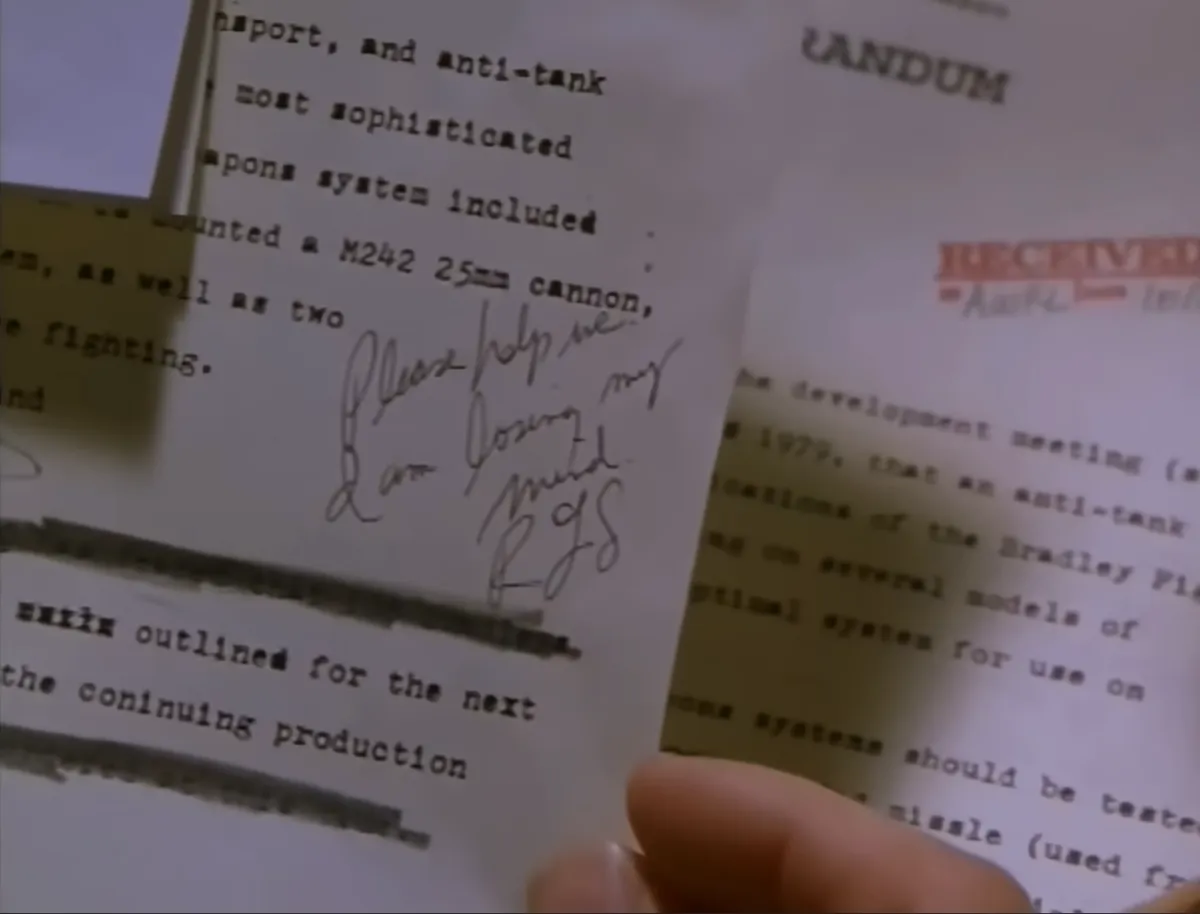
There’s a brilliant scene in The Pentagon Wars, a satire of U.S. defence procurement, that brings this to life. A straightforward vehicle concept becomes increasingly ridiculous as institutional requirements and competing demands pile up, contributing to years of delays and development headaches. It’s bureaucracy trying to engineer innovation by committee. The movie exaggerates, but the lesson lands. Watch the whole clip if you have time.
You can tender for what you already know you need.
Innovation is often what happens when somebody shows you what you didn’t know was possible.
Ready to support the sector that supports us all?
#GetRoaming and let’s build a more connected, resilient, and thriving Canada, one traveller, one town, one story at a time.
Yours in tourism, innovation and startups,

Founder and CEO, Roamlii